 Most viewed Most viewed |

wheel085.pdfBuddhism in Thailand - Its Past and Its Present2523 viewsJudging from archaeological finds and other historical evidence, it is safe to say that Buddhism first reached Thailand when the country was inhabited by a racial stock of people known as the Mon-Khmer who then had their capital, Dvárávati, at a city now known as Nakon Pathom about 50 kilometers to the west of Bangkok. The great pagoda at Nakon Pathom, Phra Pathom Chedi and other historical findings in other parts of the country testify to this fact as well as to the fact that Buddhism, in its varied forms, reached Thailand at four different periods, namely: I. Theraváda or Southern Buddhism II. Maháyána or Northern Buddhism III. Burma (Pagan) Buddhism IV. Ceylon (LankavaÃsa) Buddhism.
|
|
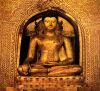
thai-buddha_11.jpg11 Thai Buddha Image2522 views11 Thai Buddha Image
|
|

Insight_Meditation.mp3Insigt Meditation Explained2520 viewsA talk explaining Insight Meditation
|
|
roots_goodevil.pdfThe Roots of Good and Evil2515 viewsGreed, hatred, and delusion - these are the three bad roots in us. Conversely the good ones are non-greed (i.e generosity), non-hatred (love), and non-delusion (wisdom). All our troubles and suffering stem essentially from the bad roots while our joy and happiness comes from the good ones. It is important to know and understand these roots if we are going to make an end of suffering and attain true peace and happiness. This book explains in a penetrative way the nature of these six roots. It contains discourses of the Buddha on the subject together with traditional commentarial explanations.
|
|
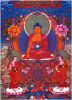
shakyamuni_buddha03.jpgShakyamuni Buddha 032509 viewsShakyamuni Buddha 03
|
|
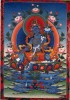
12_tara.jpgThe 21 Taras (12)2504 viewsThe 21 Taras [Tibetan style] (Tibetan, Sgrol-ma)
It was not until the adoption of the Yogachara system, taught by Asanga in the fourth century AD, that the feminine principle began to be venerated in Mahayana Buddhism. Around the sixth century, the goddess Tara was considered as a Sakti of Avalokitesvara (sometimes as his wife).
|
|
Loving-kIndness_Meditation.mp3Loving-kindness Meditation2499 viewsLoving-kindness Meditation, Metta Bhavana
|
|
Panca_Sila_Pali_Canon.pdfPanca Sila (The Five Precepts) in The Pali Canon2496 viewsIn some suttas only the first four precepts are mentioned, whereas all five precepts are described together in other suttas. The first four precepts are pakati-sila whereas the fifth precept is pannati-sila. Venerable Nyanatiloka explains in his Buddhist Dictionary that pakati-sila [is] natural or genuine morality, [which] is distinct from those outward rules of conduct laid down for either laymen or monks. Those latter are the so-called prescribed morality (pannatti-sila).
Suttas which include The Five Precepts are listed.
|
|
iabu_journal.pdfThe Journal of the International Association of Buddhist Universities2493 viewsThe journal of the International Association of Buddhist Universities
|
|
Day03Vipassana_InstructionPart_1.MP3Vipassana Instruction (Part 1)2493 viewsDay Three: part 1: Vipassana Meditation Instruction given at the 2009 10-day Vipassana Retreat at Bodhi Tree Forest Monastery, Australia.
|
|
| 1212 files on 122 page(s) |
 |
|
|
56 | |
|
|
|






















 Social Bookmarks


