 Most viewed - Image Library Most viewed - Image Library |
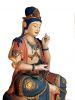
06guanyin2.jpgProfile of Quan Yin2978 viewsPortrait of Quan Yin (Godess of Mercy) in Profile
|
|
07pinklotus03.jpgPink Lotus 032975 viewsPink Lotus 03
|
|
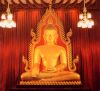
thai-buddha_08.jpg08 Thai Buddha Image2972 views08 Thai Buddha Image
|
|
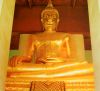
thai-buddha_07.jpg07 Thai Buddha Image2967 views07 Thai Buddha Image
|
|
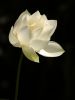
03white_lotus.jpgWhite Lotus 032929 viewsWhite Lotus 03
|
|
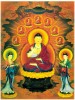
Amithaba004.jpgAmithabha Buddha042927 viewsAMITABHA: Buddha of Boundless Light of the Western Paradise
|
|
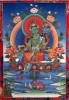
21_tara.jpgThe 21 Taras (21)2915 viewsThe 21 Taras [Tibetan style] (Tibetan, Sgrol-ma)
It was not until the adoption of the Yogachara system, taught by Asanga in the fourth century AD, that the feminine principle began to be venerated in Mahayana Buddhism. Around the sixth century, the goddess Tara was considered as a Sakti of Avalokitesvara (sometimes as his wife).
|
|
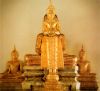
thai-buddha_06.jpg06 Thai Buddha Image2902 views06 Thai Buddha Image
|
|
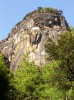
Bhutan002.jpgBhutan - Buddhist Himalayan Kingdom (11) 2901 viewsIn 2005 the Australian monk Ven S Dhammika was invited to the remote Himalayan kingdom of Bhutan and spent ten days visiting the countries monasteries, shrines and temples. We present some of the pictures he took while in this rarely visited land and hope you enjoy them.
|
|

Ksitigarbha01.jpgKsitigarbha Bodhisattva012889 viewsTi Tsang P'usa: Ksitigarbha Bodhisattva
Ti Tsang P'usa is an extremely popular Bodhisattva among the Chinese and Japanese Buddhists. 'Ti Tsang', meaning 'Earth-Store' is a direct translation of the Bodhisattva's name KSITIGARBHA in Sanskrit. Among the countless Bodhisattvas in the universe, he and three others have firmly captured the hearts of the Mahayanists. These four main P'usas or Bodhisattvas are depicted in the Chinese Buddhist Pantheon and they represent four basic great qualities:
KUAN SHIH YIN as Great Compassion;
WEN SHU as Great Wisdom;
PU HSIEN as Great Love and Perfect Activity;
TI TSANG as Great Vow to help and to deliver all beings.
His greatest compassionate Vow being: "If I do not go to the hell to help the suffering beings there, who else will go? ... if the hells are not empty I will not become a Buddha. Only when all living beings have been saved, will I attain Bodhi."
|
|
| 350 files on 35 page(s) |
 |
|
|
14 | |
|
|
|






















 Social Bookmarks


